Address
304 North Cardinal
St. Dorchester Center, MA 02124
Work Hours
Monday to Friday: 7AM - 7PM
Weekend: 10AM - 5PM
Address
304 North Cardinal
St. Dorchester Center, MA 02124
Work Hours
Monday to Friday: 7AM - 7PM
Weekend: 10AM - 5PM
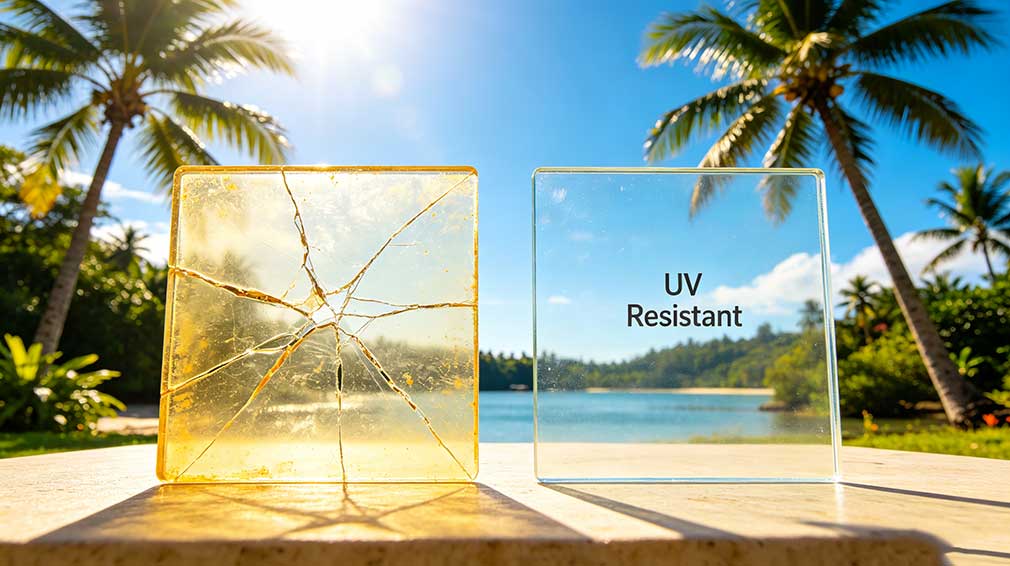
Malaysia’s tropical climate is renowned for its lush greenery, beautiful beaches, and, of course, its intense sunlight. While this weather is a major draw for tourists and locals alike, it can pose significant challenges for materials used in outdoor applications. One such material is acrylic sheet, which is widely used for signage, awnings, pool enclosures, and other outdoor structures.
A critical question that arises when considering acrylic sheets for outdoor use in Malaysia is: Are acrylic sheets UV resistant? The answer is not a simple yes or no, as it depends on the type of acrylic sheet and the specific UV stabilizers used during its manufacturing. This article will delve into the topic of UV resistance in acrylic sheets, explaining why it matters for outdoor use in Malaysia and how to choose the right acrylic sheet for your needs.
Malaysia is located near the equator, which means it receives high levels of ultraviolet (UV) radiation throughout the year. UV radiation is a form of electromagnetic radiation that is invisible to the human eye but can cause significant damage to materials over time.
When acrylic sheets are exposed to UV radiation, several negative effects can occur:
Given the high levels of UV radiation in Malaysia, it is essential to choose acrylic sheets that are specifically designed to resist UV damage for outdoor use. Otherwise, your acrylic sheets will likely degrade quickly, requiring frequent repairs or replacements and costing you more money in the long run.
UV resistance in acrylic sheets is achieved through the use of UV stabilizers during the manufacturing process. UV stabilizers are chemical additives that are incorporated into the acrylic material to protect it from the harmful effects of UV radiation.
There are two main types of UV stabilizers used in acrylic sheets:
Some acrylic sheet manufacturers use a combination of UV absorbers and HALS to provide comprehensive protection against UV damage. The specific type and amount of UV stabilizers used will depend on the manufacturer and the intended application of the acrylic sheet.
Not all acrylic sheets are created equal when it comes to UV resistance. The type of acrylic sheet you choose will have a significant impact on its ability to withstand UV damage.
Cast acrylic sheets are widely regarded as the best choice for outdoor applications due to their superior UV resistance. They are produced by a casting process that results in a dense, uniform material with excellent optical clarity and weatherability.
Most cast acrylic sheets are manufactured with UV stabilizers, which help to prevent yellowing, brittleness, and loss of clarity over time. Some manufacturers even offer cast acrylic sheets with enhanced UV protection, such as a co-extruded UV protective layer, which provides even greater resistance to UV damage.
Extruded acrylic sheets are produced by an extrusion process, which involves melting the acrylic material and forcing it through a die to form a continuous sheet. While extruded acrylic sheets are generally less expensive than cast acrylic sheets, they are also less durable and have lower UV resistance.
Some extruded acrylic sheets are manufactured with UV stabilizers, but the level of UV protection is typically not as high as that of cast acrylic sheets. Extruded acrylic sheets are more prone to yellowing, brittleness, and loss of clarity when exposed to UV radiation, making them less suitable for long-term outdoor use.
Colored acrylic sheets are available in both cast and extruded forms. The UV resistance of colored acrylic sheets will depend on the type of acrylic sheet and the specific pigments used.
Some pigments are more resistant to UV radiation than others, and some may even provide additional UV protection. However, in general, colored acrylic sheets may be more prone to fading and discoloration than clear acrylic sheets when exposed to UV radiation. It is important to choose colored acrylic sheets that are specifically designed for outdoor use and that have been tested for UV resistance.
When choosing UV resistant acrylic sheets for outdoor use in Malaysia, there are several factors to consider:
As discussed earlier, cast acrylic sheets generally have superior UV resistance compared to extruded acrylic sheets. For this reason, it is recommended to choose cast acrylic sheets for most outdoor applications.
Look for acrylic sheets that are manufactured with UV stabilizers, such as UV absorbers and HALS. Some manufacturers may specify the type and amount of UV stabilizers used, which can give you an indication of the level of UV protection provided.
Some cast acrylic sheets are available with a co-extruded UV protective layer. This layer is specifically designed to block UV radiation, providing enhanced protection against yellowing, brittleness, and loss of clarity. While these sheets may be more expensive, they offer the highest level of UV resistance and are ideal for applications that require long-term durability.
Choose acrylic sheets from reputable manufacturers that have a proven track record of producing high-quality, UV resistant products. Reputable manufacturers will often provide detailed product information, including test results for UV resistance, which can help you make an informed decision.
Look for acrylic sheets that come with a warranty against UV damage. A warranty is a good indication that the manufacturer stands behind the quality and durability of their product. The length and terms of the warranty will vary depending on the manufacturer and the specific product.
While UV resistant acrylic sheets are designed to withstand the harmful effects of UV radiation, proper maintenance is still essential to ensure their long-term durability and performance.
In conclusion, UV resistance is a critical factor to consider when choosing acrylic sheets for outdoor use in Malaysia. While not all acrylic sheets are UV resistant, cast acrylic sheets that are manufactured with UV stabilizers, such as UV absorbers and HALS, offer excellent protection against UV damage. For the highest level of UV resistance, consider cast acrylic sheets with a co-extruded UV protective layer.
By choosing UV resistant acrylic sheets and following proper maintenance tips, you can ensure that your outdoor structures and applications remain clear, durable, and aesthetically pleasing for many years to come, even in the face of Malaysia’s intense sunlight.
So, the next time you’re planning an outdoor project in Malaysia, make sure to ask the question: Are these acrylic sheets UV resistant? It’s a must-know that can save you time, money, and frustration in the long run.

FSFSDFS
hi