Address
304 North Cardinal
St. Dorchester Center, MA 02124
Work Hours
Monday to Friday: 7AM - 7PM
Weekend: 10AM - 5PM
Address
304 North Cardinal
St. Dorchester Center, MA 02124
Work Hours
Monday to Friday: 7AM - 7PM
Weekend: 10AM - 5PM


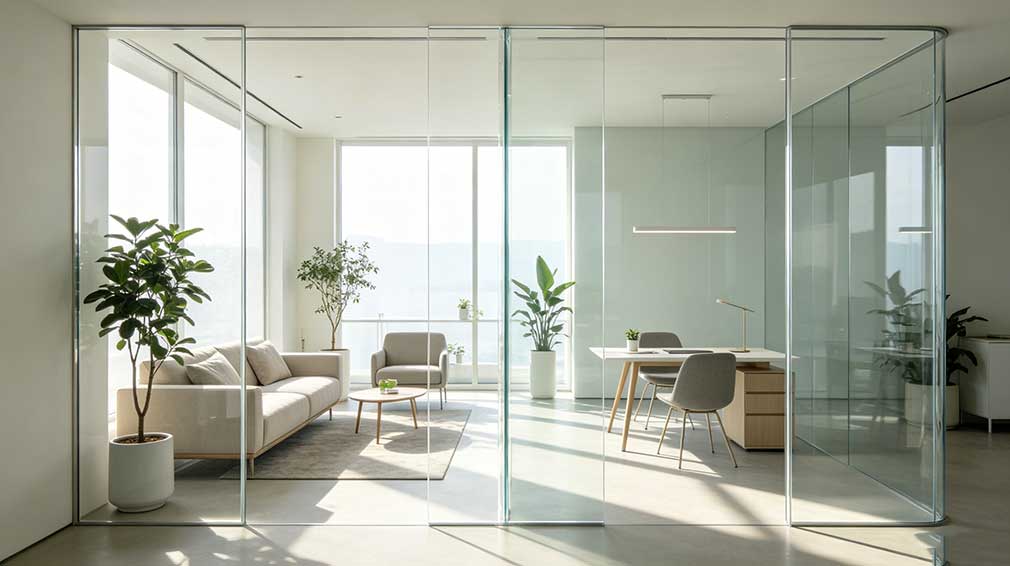
Acrylic sheets have emerged as a popular and versatile material for creating indoor partition walls in Malaysia. Their combination of clarity, durability, and modern aesthetic makes them an ideal choice for dividing spaces while maintaining an open and airy feel. Whether you’re looking to create a private home office, separate a bedroom from a living area, or divide a large commercial space into smaller, more functional areas, acrylic partition walls offer a sleek and practical solution.
One of the most critical decisions you’ll need to make when planning an acrylic partition wall is choosing the right thickness of the acrylic sheets. The thickness of the acrylic sheets will affect the strength, durability, and overall performance of the partition wall, as well as its cost. This article will explore the factors to consider when choosing the thickness of acrylic sheets for indoor partition walls in Malaysia and provide guidance on selecting the ideal thickness for your specific application.
When choosing the thickness of acrylic sheets for indoor partition walls, there are several key factors to consider:
The height and span of the partition wall are the most important factors to consider when determining the required thickness of the acrylic sheets. Taller and wider partition walls will require thicker acrylic sheets to ensure structural stability and prevent sagging or bending over time.
As a general rule of thumb, the thicker the acrylic sheet, the greater its load-bearing capacity and resistance to deflection. For example, a partition wall that is 2 meters high and 1 meter wide will require a thicker acrylic sheet than a partition wall that is 1 meter high and 0.5 meters wide.
The level of impact resistance required for the partition wall will also influence the choice of acrylic sheet thickness. Thicker acrylic sheets are more resistant to impacts and are less likely to crack or shatter due to accidental bumps or collisions.
If the partition wall is located in a high-traffic area or in a space where there is a risk of accidental impacts, such as a child’s playroom or a busy office, it may be necessary to choose a thicker acrylic sheet to ensure the safety and durability of the partition wall.
The desired level of privacy will also affect the choice of acrylic sheet thickness and type. Clear acrylic sheets offer the highest level of transparency and allow maximum light transmission, but they provide little to no privacy. If privacy is a concern, you may want to consider using frosted, tinted, or patterned acrylic sheets, which can provide varying levels of privacy while still allowing light to pass through.
The thickness of the acrylic sheet can also affect the level of privacy, although this is generally less significant than the type of acrylic sheet. Thicker acrylic sheets may slightly reduce the level of transparency, but they will not provide significant privacy on their own.
The thickness of the acrylic sheet can also have an impact on the aesthetic appearance of the partition wall. Thicker acrylic sheets may appear more substantial and robust, while thinner acrylic sheets may appear more delicate and lightweight.
The choice of thickness should be based on the overall design aesthetic of the space and the desired look and feel of the partition wall. For example, a minimalist or modern design aesthetic may call for thinner acrylic sheets to create a sleek and unobtrusive look, while a more industrial or robust design aesthetic may benefit from thicker acrylic sheets.
The cost of acrylic sheets increases with thickness. Thicker acrylic sheets are generally more expensive than thinner acrylic sheets, both in terms of material cost and installation cost.
When choosing the thickness of acrylic sheets for indoor partition walls, it’s important to balance the need for strength, durability, and privacy with the available budget. While it may be tempting to choose a thinner acrylic sheet to save money, it’s important to ensure that the chosen thickness is sufficient to meet the functional requirements of the partition wall.
Based on the factors discussed above, the recommended thickness of acrylic sheets for indoor partition walls in Malaysia typically ranges from 5mm to 12mm. The specific thickness will depend on the height and span of the partition wall, as well as the level of impact resistance and privacy required.
Acrylic sheets with a thickness of 5mm to 8mm are suitable for most indoor partition wall applications in Malaysia. They offer a good balance of strength, durability, and cost-effectiveness, and are capable of supporting partition walls up to approximately 2.5 meters in height and 1.5 meters in width.
These thicknesses are ideal for creating partition walls in residential settings, such as dividing a bedroom from a living area or creating a private home office. They are also suitable for use in commercial settings, such as dividing a small office space or creating a display area in a retail store.
Acrylic sheets with a thickness of 10mm to 12mm are recommended for taller and wider partition walls, as well as for applications that require a higher level of impact resistance. These thicknesses are capable of supporting partition walls up to approximately 3 meters in height and 2 meters in width.
These thicknesses are ideal for creating partition walls in large commercial spaces, such as dividing a warehouse into smaller storage areas or creating a partition wall in a busy office or retail store. They are also suitable for use in high-traffic areas or in spaces where there is a risk of accidental impacts.
Acrylic sheets thicker than 12mm are generally not necessary for most indoor partition wall applications in Malaysia. They are significantly more expensive and heavier than thinner acrylic sheets, and may require specialized installation techniques and additional structural support.
However, in some rare cases, such as for very tall or wide partition walls or for applications that require an extremely high level of impact resistance, it may be necessary to use acrylic sheets thicker than 12mm. In such cases, it’s recommended to consult with a professional architect or engineer to determine the appropriate thickness and to ensure the structural integrity of the partition wall.
In addition to choosing the right thickness of acrylic sheets, there are several other tips to keep in mind when selecting and installing acrylic partition walls in Malaysia:
When choosing acrylic sheets for indoor partition walls, it’s important to select high-quality sheets from a reputable manufacturer. High-quality acrylic sheets are more durable, have better optical clarity, and are less prone to yellowing or discoloration over time.
Look for acrylic sheets that are manufactured with UV stabilizers, especially if the partition wall will be exposed to direct sunlight. UV stabilizers help to prevent yellowing and loss of clarity, ensuring that the partition wall remains clear and transparent for many years to come.
There are two main types of acrylic sheets available: cast acrylic sheets and extruded acrylic sheets. Cast acrylic sheets are generally more durable, have better optical clarity, and are more resistant to yellowing and discoloration than extruded acrylic sheets. They are also more expensive than extruded acrylic sheets.
Extruded acrylic sheets are less expensive and are suitable for most indoor partition wall applications. However, they may not be as durable or have the same level of optical clarity as cast acrylic sheets.
When choosing the type of acrylic sheet, consider the specific requirements of the partition wall, as well as the available budget. For most indoor partition wall applications in Malaysia, extruded acrylic sheets with a thickness of 5mm to 8mm are sufficient. However, if a higher level of durability or optical clarity is required, cast acrylic sheets may be a better choice.
Installing acrylic partition walls requires specialized tools and techniques, and it’s recommended to hire a professional installer to ensure a proper and safe installation. A professional installer will have the experience and expertise to handle the acrylic sheets, cut them to the required size and shape, and install them securely.
When hiring a professional installer, look for someone who has experience installing acrylic partition walls and who can provide references from previous clients. Ask for a detailed quote that includes the cost of materials, labor, and any additional services, such as removing old partition walls or disposing of waste.
To ensure the long-term durability and performance of the acrylic partition wall, it’s important to maintain it regularly. Clean the partition wall with a soft, lint-free cloth and a mild soap solution or a specialized acrylic cleaner. Avoid using harsh chemicals, such as ammonia, bleach, or window cleaners, as these can damage the surface of the acrylic sheets and cause them to crack or discolor.
Periodically inspect the partition wall for any signs of damage, such as scratches, cracks, or loose fittings. If you notice any signs of damage, take immediate action to repair or replace the affected parts to prevent further deterioration.
In conclusion, the ideal thickness of acrylic sheets for indoor partition walls in Malaysia depends on several factors, including the height and span of the partition wall, the level of impact resistance required, the desired level of privacy, aesthetic considerations, and cost considerations.
For most indoor partition wall applications in Malaysia, acrylic sheets with a thickness of 5mm to 8mm are sufficient. They offer a good balance of strength, durability, and cost-effectiveness, and are capable of supporting partition walls up to approximately 2.5 meters in height and 1.5 meters in width. For taller and wider partition walls, or for applications that require a higher level of impact resistance, acrylic sheets with a thickness of 10mm to 12mm are recommended.
When choosing acrylic sheets for indoor partition walls, it’s important to select high-quality sheets from a reputable manufacturer, consider the type of acrylic sheet, hire a professional installer, and maintain the partition wall regularly. By following these tips, you can ensure that your acrylic partition wall is not only functional and durable but also aesthetically pleasing and long-lasting.
So, if you’re planning to install an indoor partition wall in your home or office in Malaysia, consider using acrylic sheets and choose the right thickness based on your specific requirements. With the right thickness and proper installation, an acrylic partition wall can be a stylish and practical addition to any space.
