Address
304 North Cardinal
St. Dorchester Center, MA 02124
Work Hours
Monday to Friday: 7AM - 7PM
Weekend: 10AM - 5PM
Address
304 North Cardinal
St. Dorchester Center, MA 02124
Work Hours
Monday to Friday: 7AM - 7PM
Weekend: 10AM - 5PM
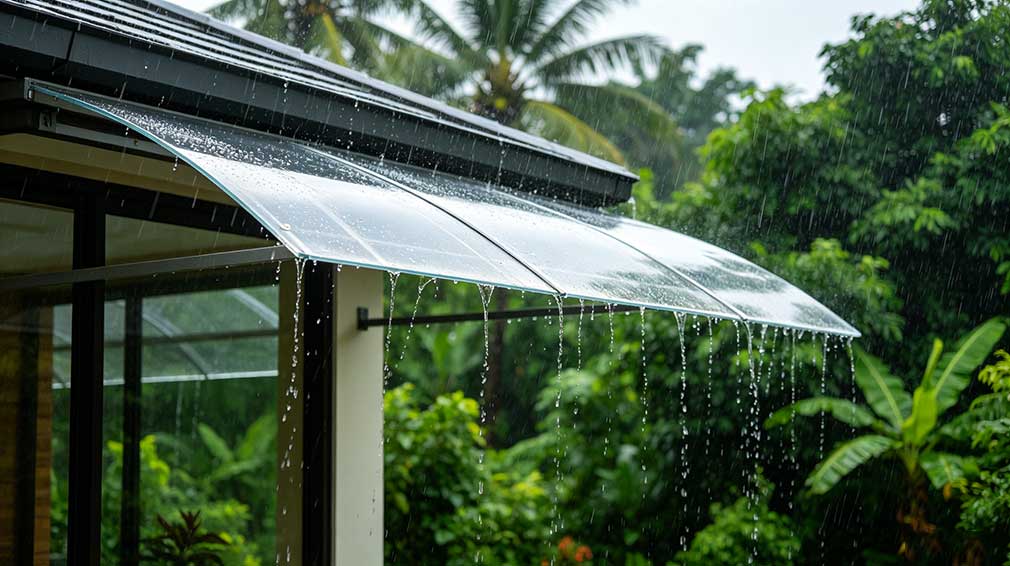
Malaysia’s tropical climate brings with it a distinct and challenging monsoon season, characterized by prolonged periods of heavy rainfall and extremely high humidity. These conditions can be particularly detrimental to materials used in outdoor applications, causing issues such as water absorption, warping, mold growth, and accelerated degradation. For architects, engineers, and builders selecting materials for projects in Malaysia, a critical question arises: What kind of acrylic sheet resists high humidity rain season in Malaysia?
The ideal acrylic sheet for withstanding Malaysia’s harsh rainy season is one that combines excellent water resistance with robust anti-aging properties. Specifically, a UV stabilized acrylic panel anti-yellow, often made from clear cast acrylic sheet, is the top choice. These sheets are engineered to not only resist the immediate effects of water and humidity but also to maintain their structural integrity and optical clarity over the long term, even when exposed to the relentless combination of rain, sun, and moisture.
To select the most suitable acrylic sheet, it is first essential to understand the specific challenges posed by Malaysia’s rainy season:
During the monsoon season, humidity levels in Malaysia often exceed 80% and can remain high for weeks. This constant moisture in the air can permeate porous materials, causing them to swell, warp, or become soft. For acrylic sheets, high humidity can also accelerate the process of hydrolysis, a chemical reaction where water molecules break down the polymer chains, leading to a loss of strength and clarity.
Malaysia experiences intense downpours during the rainy season, which can result in significant water accumulation on horizontal surfaces like canopies and skylights. Poorly designed or low-quality acrylic sheets may not withstand this weight, leading to sagging or even cracking. Additionally, rainwater can carry contaminants and pollutants that, when combined with UV radiation, can cause surface degradation and discoloration.
The rainy season is often interspersed with periods of intense sunshine, creating rapid wet-dry cycles. These cycles can cause materials to expand and contract repeatedly, leading to fatigue stress, micro-cracking, and a shortened lifespan. The constant change in moisture content can also exacerbate the growth of mold and mildew on the surface of the acrylic sheet.
The combination of high humidity, warm temperatures, and organic matter (such as dirt and debris) provides the perfect breeding ground for mold and mildew. These fungi can grow on the surface of acrylic sheets, causing unsightly stains, discoloration, and a musty odor. If left unchecked, mold and mildew can also penetrate the surface, causing permanent damage to the material.
An acrylic sheet that can effectively resist the challenges of Malaysia’s rainy season must possess the following key properties:
The most critical property is low water absorption. High-quality acrylic sheets, particularly clear cast acrylic sheet, have a dense, non-porous structure that minimizes the amount of water they can absorb. This reduces the risk of warping, swelling, and hydrolysis, ensuring the sheet maintains its dimensional stability and mechanical strength even in prolonged high humidity.
UV radiation is a constant threat in Malaysia, even during the rainy season. A UV stabilized acrylic panel anti-yellow is formulated with UV absorbers and hindered amine light stabilizers (HALS) that protect the polymer chains from the harmful effects of UV radiation. This not only prevents yellowing and loss of transparency but also slows down the degradation process, ensuring the sheet remains durable and visually appealing for many years.
Rainwater in urban areas can contain various chemicals and pollutants, such as acids, salts, and industrial waste. A humidity-resistant acrylic sheet should be resistant to these chemicals to prevent surface erosion, discoloration, and premature degradation. High-quality acrylic sheets are inherently resistant to many chemicals, but this resistance can be further enhanced with special coatings or formulations.
Heavy rainfall can cause debris to be carried through the air, posing a risk of impact damage to acrylic sheets. A sheet with good impact resistance will be less likely to crack or shatter under these conditions, ensuring the safety and integrity of the structure. Thicker sheets and those made from clear cast acrylic sheet generally offer better impact resistance than thinner or extruded acrylic sheets.
To prevent the growth of mold and mildew, the acrylic sheet should have a smooth, non-porous surface that is easy to clean and maintain. Some manufacturers also offer acrylic sheets with anti-microbial additives that inhibit the growth of fungi, providing an additional layer of protection in humid environments.
Based on the properties discussed above, the following recommendations are provided for selecting acrylic sheets that can resist the high humidity and rainfall of Malaysia’s rainy season:
The best choice for most outdoor applications in Malaysia is a UV stabilized acrylic panel anti-yellow made from clear cast acrylic sheet. This combination offers the optimal balance of low water absorption, UV resistance, chemical resistance, and impact resistance, ensuring the sheet can withstand the harsh conditions of the rainy season.
The thickness of the acrylic sheet is an important consideration, especially for horizontal applications like canopies and skylights that may be exposed to heavy rain and debris. Thicker sheets generally offer better load-bearing capacity, impact resistance, and dimensional stability. For most outdoor applications in Malaysia, a minimum thickness of 3mm to 5mm is recommended, with thicker sheets (up to 10mm or more) used for larger spans or areas with high debris impact risk.
For added protection against water, chemicals, and UV radiation, consider using acrylic sheets with a factory-applied protective coating. These coatings can enhance the sheet’s resistance to surface degradation, discoloration, and mold growth, making it even more durable in Malaysia’s harsh climate. Some coatings also offer self-cleaning properties, reducing the need for manual maintenance.
To ensure the quality and performance of the acrylic sheet, it is essential to source it from a reputable manufacturer or supplier. Reputable manufacturers use high-quality raw materials and advanced production processes to create acrylic sheets that meet strict quality standards. They also provide detailed technical data sheets and product warranties, giving you confidence in the sheet’s ability to perform as expected in Malaysia’s rainy season.
Even the best acrylic sheet will not perform optimally if not installed and maintained properly. Ensure the sheet is installed with adequate support to prevent sagging under heavy rain. Use high-quality sealants and fasteners that are compatible with acrylic and resistant to corrosion in humid environments. Regularly clean the sheet with a mild soap and water solution to remove dirt, debris, and any mold or mildew growth, and avoid using harsh chemicals or abrasive cleaners that can damage the surface.
In conclusion, selecting the right acrylic sheet for withstanding Malaysia’s high humidity rainy season is crucial for ensuring the long-term durability and performance of outdoor structures. A UV stabilized acrylic panel anti-yellow, particularly one made from clear cast acrylic sheet, is the ideal choice due to its low water absorption, excellent UV resistance, chemical resistance, and impact resistance. By considering the sheet’s thickness, protective coatings, manufacturer reputation, and ensuring proper installation and maintenance, you can select an acrylic sheet that will resist the challenges of Malaysia’s rainy season and provide years of reliable service.
For any outdoor project in Malaysia, investing in a high-quality, humidity-resistant acrylic sheet is a wise decision that will pay off in the long run, ensuring the project remains structurally sound, visually appealing, and functional even during the wettest and most humid months of the year.
