Address
304 North Cardinal
St. Dorchester Center, MA 02124
Work Hours
Monday to Friday: 7AM - 7PM
Weekend: 10AM - 5PM
Address
304 North Cardinal
St. Dorchester Center, MA 02124
Work Hours
Monday to Friday: 7AM - 7PM
Weekend: 10AM - 5PM
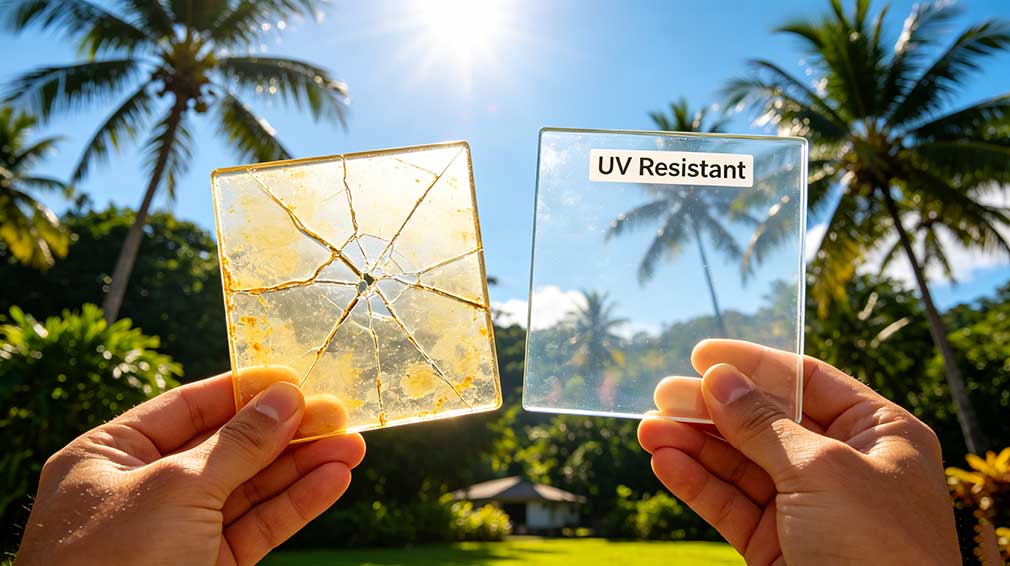
Acrylic sheets are a popular choice for a wide range of applications in Malaysia, from signage and displays to furniture and architectural elements. They are valued for their clarity, durability, and versatility. However, one common concern among users is whether acrylic sheets yellow over time, especially in Malaysia’s tropical climate with its intense sunlight and high humidity.
The short answer is yes, acrylic sheets can yellow over time, but the rate at which they yellow depends on several factors, including the type of acrylic sheet, the level of UV protection, and the environmental conditions to which they are exposed. This article will explore the causes of yellowing in acrylic sheets and provide solutions for maintaining their clarity and transparency over time in Malaysia.
Yellowing in acrylic sheets is primarily caused by the following factors:
One of the main causes of yellowing in acrylic sheets is prolonged exposure to ultraviolet (UV) radiation from the sun. UV radiation is a form of electromagnetic radiation that is invisible to the human eye but can cause significant damage to materials over time.
When acrylic sheets are exposed to UV radiation, the polymer chains in the acrylic material can break down, causing the material to absorb more light in the blue and violet spectrum and reflect more yellow light. This results in a yellowing or discoloration of the acrylic sheet, which can reduce its clarity and aesthetic appeal.
Heat can also contribute to the yellowing of acrylic sheets. When acrylic sheets are exposed to high temperatures, the polymer chains in the acrylic material can become more mobile, making them more susceptible to damage from UV radiation. This can accelerate the yellowing process, especially in hot and sunny climates like Malaysia.
Other environmental factors, such as humidity, pollution, and chemicals, can also contribute to the yellowing of acrylic sheets. High humidity can cause moisture to accumulate on the surface of the acrylic sheet, which can provide a breeding ground for bacteria and other microorganisms. These microorganisms can produce enzymes and other chemicals that can break down the acrylic material, leading to yellowing and other forms of damage.
Pollution and chemicals in the air can also react with the acrylic material, causing it to degrade and yellow over time. For example, ozone, a common air pollutant, can react with the acrylic material, causing it to become brittle and yellow.
The type of acrylic sheet can also affect its susceptibility to yellowing. Cast acrylic sheets, which are produced by a casting process, are generally more resistant to yellowing than extruded acrylic sheets, which are produced by an extrusion process. This is because cast acrylic sheets have a more uniform structure and are less prone to degradation from UV radiation and other environmental factors.
To maintain the clarity and transparency of acrylic sheets over time in Malaysia, it is important to take the following steps:
The most effective way to prevent yellowing in acrylic sheets is to choose UV resistant acrylic sheets. These sheets are manufactured with UV stabilizers, such as UV absorbers and hindered amine light stabilizers (HALS), which help to block UV radiation and prevent the polymer chains in the acrylic material from breaking down.
When choosing UV resistant acrylic sheets, look for sheets that are specifically designed for outdoor use and that have a high level of UV protection. Some manufacturers offer acrylic sheets with a co-extruded UV protective layer, which provides even greater resistance to UV radiation and yellowing.
Another effective way to prevent yellowing in acrylic sheets is to provide shade and protection from direct sunlight. This can be done by installing awnings, shade sails, or other protective structures over the acrylic sheets. You can also use UV protective films or coatings to cover the surface of the acrylic sheets, which can help to block UV radiation and prevent yellowing.
Regular cleaning and maintenance is essential for maintaining the clarity and transparency of acrylic sheets over time. Dust, dirt, and other contaminants can accumulate on the surface of the acrylic sheets, which can provide a foothold for bacteria and other microorganisms. These microorganisms can produce enzymes and other chemicals that can break down the acrylic material, leading to yellowing and other forms of damage.
To clean acrylic sheets, use a soft, lint-free cloth and a mild soap solution or a specialized acrylic cleaner. Avoid using harsh chemicals, such as ammonia, bleach, or window cleaners, as these can damage the surface of the acrylic sheets and cause them to crack or discolor.
Avoid placing acrylic sheets in areas where they will be exposed to high temperatures or direct heat sources, such as radiators, heaters, or sunlight. Heat can accelerate the yellowing process and cause the acrylic sheets to become brittle and crack.
Also, avoid contact with chemicals, such as solvents, paints, and adhesives, as these can damage the surface of the acrylic sheets and cause them to yellow or discolor. If contact with chemicals is unavoidable, use a protective barrier, such as a sheet of plastic or a layer of padding, to prevent direct contact.
Periodically inspect acrylic sheets for any signs of yellowing, discoloration, or damage. If you notice any signs of yellowing or damage, take immediate action to address the issue. This may involve cleaning the acrylic sheets, providing additional shade and protection, or replacing the damaged sheets with new ones.
In conclusion, acrylic sheets can yellow over time, especially in Malaysia’s tropical climate with its intense sunlight and high humidity. However, by choosing UV resistant acrylic sheets, providing shade and protection, cleaning and maintaining regularly, avoiding contact with heat and chemicals, and inspecting and replacing as needed, you can maintain the clarity and transparency of acrylic sheets over time.
Remember, prevention is key when it comes to maintaining the clarity and transparency of acrylic sheets. By taking the necessary steps to protect your acrylic sheets from UV radiation, heat, and other environmental factors, you can enjoy their beauty and versatility for many years to come.
So, the next time you’re planning to use acrylic sheets for a project in Malaysia, be sure to choose UV resistant sheets and take the necessary steps to protect them from the elements. With proper care and maintenance, your acrylic sheets will remain clear, transparent, and beautiful for years to come.
