Acrylic sheets are a popular choice for a wide range of applications in Malaysia, from signage and displays to furniture and architectural elements. They are valued for their clarity, durability, and versatility. However, like any other material, acrylic sheets require regular cleaning and maintenance to keep them looking their best and to ensure their long-term durability.
Malaysia’s tropical climate, with its high humidity, frequent rain, and intense sunlight, can pose additional challenges for maintaining acrylic sheets. Dust, dirt, fingerprints, and water spots can accumulate quickly, and prolonged exposure to sunlight can cause yellowing and loss of clarity if the acrylic sheets are not properly protected.
This guide will provide you with all the information you need to know about cleaning and maintaining acrylic sheets in Malaysia, including the best cleaning methods, recommended products, and tips for preventing damage.
1. Why Regular Cleaning and Maintenance is Important for Acrylic Sheets in Malaysia
Regular cleaning and maintenance is essential for acrylic sheets in Malaysia for several reasons:
Appearance: Acrylic sheets are often chosen for their high clarity and glossy finish. Regular cleaning helps to remove dust, dirt, fingerprints, and other contaminants that can dull their appearance and reduce their transparency.
Durability: Dust, dirt, and other abrasive particles can scratch the surface of acrylic sheets if they are not removed regularly. Scratches can not only affect the appearance of the acrylic sheets but can also provide a foothold for bacteria and other microorganisms, leading to further damage.
UV Protection: Prolonged exposure to sunlight can cause acrylic sheets to yellow and lose their clarity over time. Regular cleaning and maintenance, including the use of UV protective products, can help to slow down this process and extend the lifespan of the acrylic sheets.
Hygiene: Acrylic sheets are often used in applications where hygiene is important, such as in food service, healthcare, and retail environments. Regular cleaning helps to remove bacteria, viruses, and other pathogens, ensuring a safe and healthy environment.
2. Tools and Materials You’ll Need for Cleaning Acrylic Sheets
To clean acrylic sheets effectively, you’ll need the following tools and materials:
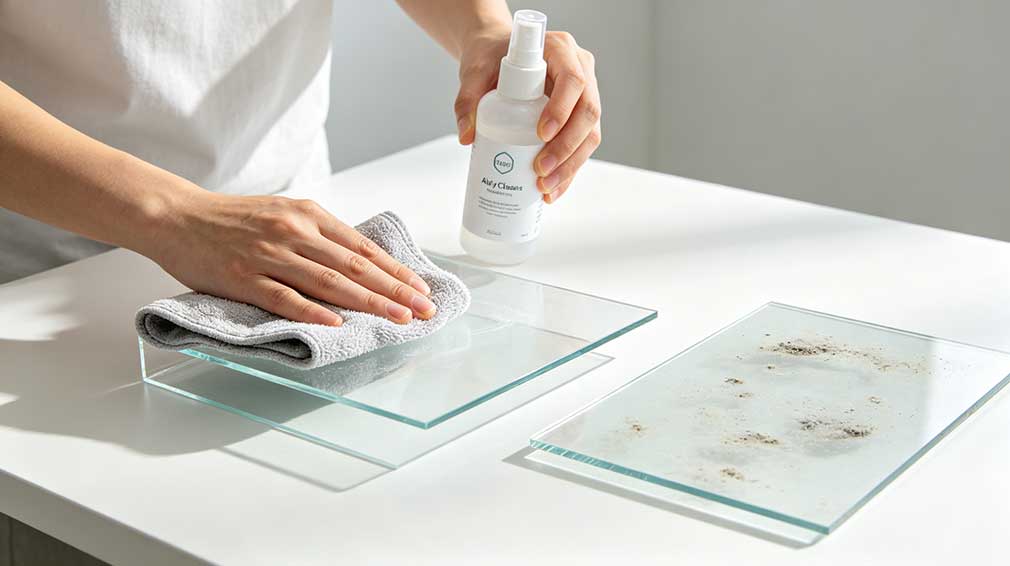
Soft, Lint-Free Cloths: Microfiber cloths are ideal for cleaning acrylic sheets because they are soft, absorbent, and do not leave behind lint or streaks. Avoid using rough cloths, paper towels, or sponges, as these can scratch the surface of the acrylic.
Acrylic Cleaner: Use a specialized acrylic cleaner that is specifically designed for cleaning acrylic surfaces. These cleaners are formulated to be gentle on acrylic while effectively removing dirt, grease, and fingerprints. Avoid using harsh chemicals, such as ammonia, bleach, or window cleaners, as these can damage the surface of the acrylic and cause it to crack or discolor.
Water: In some cases, you may be able to clean acrylic sheets with just water and a soft cloth. However, for more stubborn dirt and stains, you’ll need to use an acrylic cleaner.
Plastic Scraper: For removing stubborn dirt or debris that cannot be removed with a cloth and cleaner, you can use a plastic scraper. Be sure to use a scraper with a soft, non-abrasive edge and to scrape gently to avoid scratching the surface of the acrylic.
UV Protective Coating: For acrylic sheets that are exposed to sunlight, you may want to apply a UV protective coating to help prevent yellowing and loss of clarity. These coatings are available in both spray and wipe-on formulas.
3. Step-by-Step Guide to Cleaning Acrylic Sheets
Follow these steps to clean acrylic sheets effectively:
a. Prepare the Surface
Before you start cleaning, remove any loose dirt or debris from the surface of the acrylic sheet. You can do this by gently brushing the surface with a soft, dry cloth or by using a vacuum cleaner with a soft brush attachment.
b. Apply the Cleaner
Apply a small amount of acrylic cleaner to a soft, lint-free cloth. Avoid applying the cleaner directly to the surface of the acrylic sheet, as this can cause streaks.
c. Clean the Surface
Gently wipe the surface of the acrylic sheet with the cloth, using a circular or back-and-forth motion. Be sure to clean the entire surface, including the edges and corners. For stubborn dirt or stains, you may need to apply a little more pressure or use a plastic scraper to remove the debris.
d. Rinse the Surface (if necessary)
If you’re using a cleaner that requires rinsing, rinse the surface of the acrylic sheet with clean water to remove any residue. Be sure to use a soft, lint-free cloth to dry the surface thoroughly to avoid water spots.
e. Dry the Surface
Use a clean, dry, lint-free cloth to dry the surface of the acrylic sheet. Be sure to dry the entire surface, including the edges and corners, to avoid water spots or streaks.
f. Apply UV Protective Coating (optional)
If the acrylic sheet is exposed to sunlight, you may want to apply a UV protective coating to help prevent yellowing and loss of clarity. Follow the manufacturer’s instructions for applying the coating.
4. Tips for Maintaining Acrylic Sheets in Malaysia
In addition to regular cleaning, there are several other tips you can follow to maintain acrylic sheets in Malaysia:
Avoid Direct Sunlight: Prolonged exposure to sunlight can cause acrylic sheets to yellow and lose their clarity over time. If possible, avoid placing acrylic sheets in direct sunlight. If this is not possible, use a UV protective coating or cover the acrylic sheets with a shade cloth or other protective material.
Handle with Care: Acrylic sheets are durable, but they can still be scratched or damaged if they are not handled with care. When moving or installing acrylic sheets, be sure to use gloves to protect your hands and to avoid dragging or sliding the sheets across rough surfaces.
Use Coasters and Placemats: For acrylic furniture, use coasters and placemats to protect the surface from scratches, stains, and heat damage.
Avoid Contact with Harsh Chemicals: As mentioned earlier, avoid using harsh chemicals, such as ammonia, bleach, or window cleaners, on acrylic sheets. These chemicals can damage the surface of the acrylic and cause it to crack or discolor.
Inspect Regularly: Periodically inspect acrylic sheets for any signs of damage, such as scratches, cracks, or yellowing. Promptly repair or replace any damaged parts to prevent further deterioration.
5. Common Mistakes to Avoid When Cleaning Acrylic Sheets
When cleaning acrylic sheets, it’s important to avoid the following common mistakes:
Using Harsh Chemicals: As mentioned earlier, harsh chemicals can damage the surface of acrylic sheets. Always use a specialized acrylic cleaner or just water and a soft cloth.
Using Rough Cloths or Sponges: Rough cloths, paper towels, and sponges can scratch the surface of acrylic sheets. Always use a soft, lint-free cloth, such as a microfiber cloth.
Applying Too Much Pressure: Applying too much pressure when cleaning can also scratch the surface of acrylic sheets. Clean gently and use a plastic scraper for stubborn dirt or debris.
Not Drying Thoroughly: Not drying acrylic sheets thoroughly can lead to water spots and streaks. Always use a clean, dry, lint-free cloth to dry the surface thoroughly.
Ignoring UV Protection: Prolonged exposure to sunlight can cause acrylic sheets to yellow and lose their clarity over time. If the acrylic sheets are exposed to sunlight, use a UV protective coating or cover them with a shade cloth or other protective material.
6. Conclusion
Cleaning and maintaining acrylic sheets in Malaysia is essential for keeping them looking their best and to ensure their long-term durability. By following the steps outlined in this guide and using the recommended tools and materials, you can effectively clean and maintain acrylic sheets, even in Malaysia’s tropical climate.
Remember to clean acrylic sheets regularly, avoid using harsh chemicals, handle them with care, and protect them from direct sunlight. By doing so, you can enjoy the beauty and versatility of acrylic sheets for many years to come.
So, the next time you notice that your acrylic sheets are looking a little dull or dirty, don’t hesitate to give them a good cleaning. With the right tools and techniques, you can keep them shiny and transparent, enhancing the appearance of your home, office, or business.