Address
304 North Cardinal
St. Dorchester Center, MA 02124
Work Hours
Monday to Friday: 7AM - 7PM
Weekend: 10AM - 5PM
Address
304 North Cardinal
St. Dorchester Center, MA 02124
Work Hours
Monday to Friday: 7AM - 7PM
Weekend: 10AM - 5PM
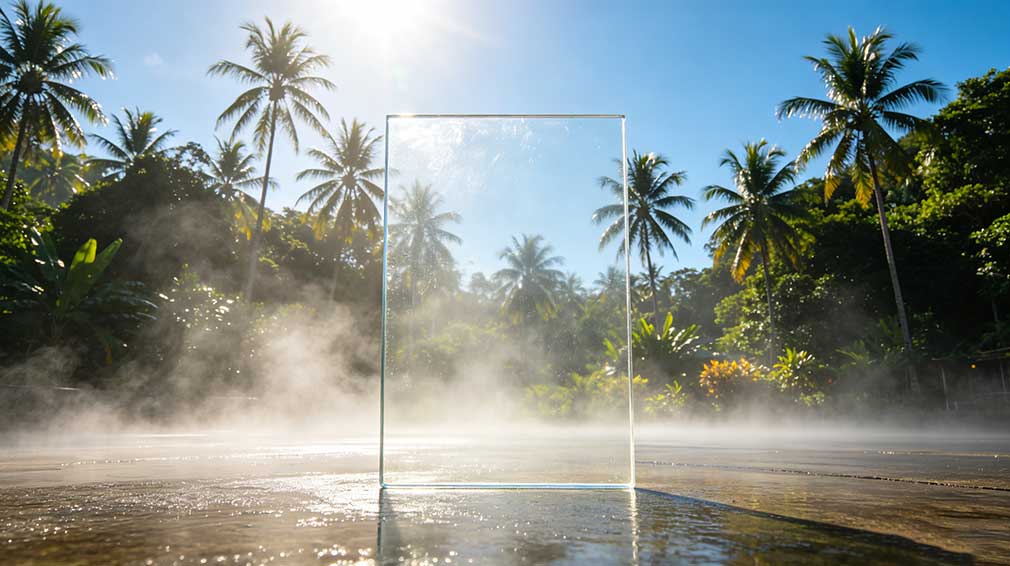
Malaysia’s tropical climate, characterized by year-round high temperatures (often exceeding 30°C) and humidity levels that can soar above 80%, poses a significant challenge for many construction and decorative materials. Among these, acrylic sheets (also known as PMMA or Plexiglas) have gained immense popularity for their versatility, clarity, and aesthetic appeal. But a critical question remains: Can acrylic sheets truly withstand the extreme heat and humidity of Malaysia?
The answer is a resounding yes, but with important caveats. The durability of acrylic sheets in such conditions depends heavily on the quality of the material, the presence of protective additives, and proper maintenance. This article will delve into the science behind acrylic’s durability, explore how it performs in Malaysia’s unique climate, and provide essential tips to ensure your acrylic sheets last for years to come.
Acrylic is a lightweight, shatter-resistant thermoplastic polymer. Its inherent properties make it an excellent candidate for withstanding harsh environmental conditions:
In Malaysia’s specific conditions, acrylic sheets demonstrate remarkable durability, but their performance can vary based on the type and quality:
Acrylic sheets have a continuous service temperature range typically between -40°C and +80°C. This is more than sufficient to handle Malaysia’s ambient temperatures, which rarely exceed 35°C. Even on the hottest days, the temperature of an acrylic sheet exposed to direct sunlight will rise, but it will remain well within its operational limits. It will not melt or decompose under normal Malaysian weather.
Humidity is generally not a problem for acrylic sheets. As mentioned earlier, their non-porous surface does not absorb moisture. This means they will not swell, warp, or develop mold or mildew, even in the damp, rain-soaked conditions of Malaysia’s monsoon seasons.
The primary threat to acrylic sheets in Malaysia is not heat or humidity, but the intense UV radiation. Standard, non-UV-stabilized acrylic sheets will yellow and degrade relatively quickly under the Malaysian sun. However, modern, UV-resistant acrylic sheets are specifically engineered to combat this. They can maintain their clarity and color stability for decades, even in the most sun-drenched locations.
Acrylic sheets are extensively used throughout Malaysia in both indoor and outdoor settings, a testament to their durability:
To ensure your acrylic sheets remain in pristine condition, follow these maintenance tips:
In conclusion, high-quality, UV-resistant acrylic sheets are more than capable of withstanding Malaysia’s heat and humidity. Their inherent durability, combined with modern UV stabilization technology, makes them an excellent and cost-effective choice for a wide range of indoor and outdoor applications.
By selecting the right type of acrylic (preferably cast acrylic with enhanced UV protection) and following a simple maintenance routine, you can enjoy the beauty, clarity, and functionality of acrylic sheets for many years, even in the challenging conditions of Malaysia’s tropical climate.
So, if you’re planning a project and wondering whether acrylic is the right material, rest assured that in Malaysia, acrylic is not just a good choice—it’s a durable and reliable one.
