Address
304 North Cardinal
St. Dorchester Center, MA 02124
Work Hours
Monday to Friday: 7AM - 7PM
Weekend: 10AM - 5PM
Address
304 North Cardinal
St. Dorchester Center, MA 02124
Work Hours
Monday to Friday: 7AM - 7PM
Weekend: 10AM - 5PM

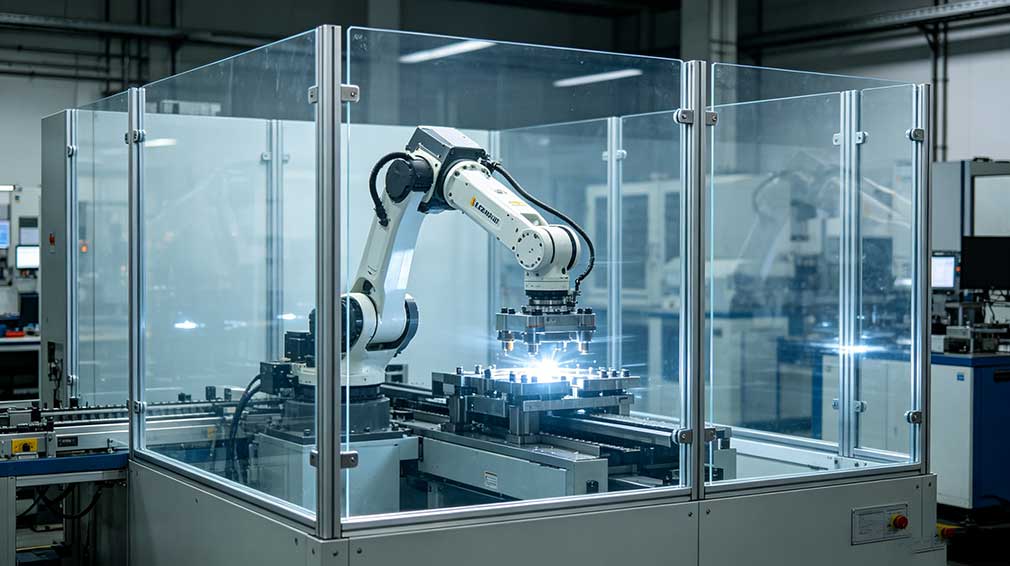
In the demanding environment of manufacturing facilities, ensuring the safety of workers is of paramount importance. Acrylic sheets have emerged as a popular and effective material for constructing safety barriers due to their exceptional strength, durability, and transparency. A critical question for engineers and safety managers is: Which acrylic sheet thickness resists heavy impact for factory safety barriers?
The answer lies in selecting a thickness that can withstand the specific hazards present in the factory. For most applications requiring resistance to heavy impact, a minimum thickness of 12mm is recommended. However, for high-risk areas such as those around heavy machinery or automated equipment, thicker sheets of 20mm or more are often necessary. This article will explore the factors influencing the choice of acrylic sheet thickness for safety barriers and provide guidance on selecting the optimal solution.
Acrylic, also known as Plexiglass or PMMA (Polymethyl Methacrylate), is a thermoplastic material renowned for its high impact resistance, which is up to 17 times greater than that of glass of the same thickness. This inherent toughness makes it an ideal choice for safety applications where accidental collisions or debris impacts are common.
The impact resistance of an acrylic sheet is directly related to its thickness. Thicker sheets have more material mass to absorb and distribute the force of an impact, making them less likely to crack, shatter, or deform. However, it is not just about thickness; the quality of the material also plays a significant role. High-purity acrylic sheets, manufactured using advanced processes, offer superior clarity and consistency, which translates to more reliable impact performance.
To ensure an acrylic sheet can withstand heavy impact, it should meet or exceed recognized industry standards. One common test is the Izod Impact Test, which measures the energy required to break a notched specimen of the material. Another relevant standard is ASTM D3029, which specifically covers the impact resistance of flat, rigid plastic sheets.
When sourcing acrylic sheets for safety barriers, it is crucial to request test reports from your acrylic manufacturer or supplier. These reports should confirm that the material meets the required impact resistance specifications for your intended application.
The primary factor in choosing the correct acrylic sheet thickness is the level of hazard in the area where the barrier will be installed. For example:
The physical dimensions of the safety barrier also influence the required thickness. Taller barriers and those with longer spans between support structures will experience more flexural stress when impacted. Therefore, they require thicker, more rigid acrylic sheets to maintain their integrity and prevent buckling or breaking.
For example, a full-height barrier (2m tall) with supports spaced 1m apart will need a thicker sheet than a shorter barrier (1m tall) with the same support spacing. A professional acrylic fabrication team can perform structural calculations to determine the exact thickness needed based on the barrier’s design.
Compliance with local safety regulations and industry standards is non-negotiable. In Malaysia, factories must adhere to the guidelines set by the Department of Occupational Safety and Health (DOSH). These regulations may specify minimum requirements for safety guarding in certain industries or applications.
It is essential to consult with a safety officer or a qualified acrylic manufacturer who is familiar with these regulations to ensure that the chosen acrylic sheet thickness not only meets your safety needs but also satisfies all legal requirements.
Based on the factors discussed above, the following are general recommendations for acrylic sheet thicknesses in heavy impact resistance applications:
12mm to 15mm acrylic sheets are a versatile choice for many factory safety applications. They offer a good balance of impact resistance, rigidity, and cost-effectiveness. These thicknesses are suitable for medium-hazard areas, such as:
For high-hazard environments where protection against severe impacts is critical, 20mm to 25mm acrylic sheets are the preferred choice. These thick sheets provide exceptional strength and rigidity, making them ideal for:
In some unique or extreme cases, standard thicknesses may not be sufficient. Reputable acrylic manufacturers can provide custom acrylic solutions tailored to your specific needs. This might include:
Selecting the right acrylic sheet thickness for factory safety barriers is a critical decision that directly impacts worker protection and operational safety. While a 12mm sheet may be adequate for many medium-risk applications, a thickness of 20mm or more is generally required to resist heavy impacts in high-hazard areas.
When making your choice, consider the level of hazard, the physical dimensions of the barrier, and all applicable regulatory requirements. Partnering with a reliable acrylic manufacturer or supplier, such as a Chinese acrylic factory known for its high-quality production, can ensure you receive a product that meets the strictest standards for impact resistance.
Investing in the correct thickness of acrylic sheet is not just a matter of compliance; it is an investment in the well-being of your workforce and the long-term success of your business. By choosing a thickness that provides robust protection against heavy impacts, you can create a safer, more secure working environment for everyone.
