Address
304 North Cardinal
St. Dorchester Center, MA 02124
Work Hours
Monday to Friday: 7AM - 7PM
Weekend: 10AM - 5PM
Address
304 North Cardinal
St. Dorchester Center, MA 02124
Work Hours
Monday to Friday: 7AM - 7PM
Weekend: 10AM - 5PM
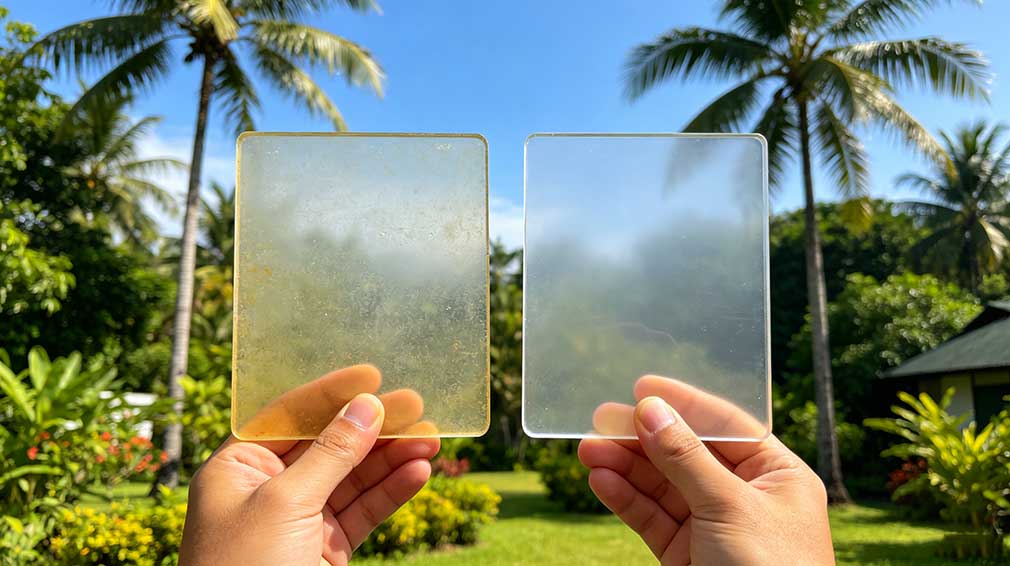
Malaysia’s tropical climate, characterized by high humidity, intense sunlight, and frequent rainfall, presents significant challenges for materials used in outdoor applications. Acrylic sheets are a popular choice for their transparency, durability, and versatility, but their performance can vary greatly depending on the type of acrylic used. A common question among architects, designers, and manufacturers in Malaysia is: Does extruded acrylic sheet fade faster than cast acrylic in humid Malaysia weather?
The short answer is yes. In general, extruded acrylic sheets do tend to fade and degrade faster than cast acrylic sheets when exposed to the harsh combination of UV radiation and high humidity found in Malaysia. This is due to fundamental differences in their manufacturing processes, resulting in variations in their molecular structure, density, and overall durability.
To understand why extruded acrylic sheets fade faster than cast acrylic sheets in humid weather, it’s essential to first understand the key differences in their manufacturing processes.
Extruded acrylic sheets are produced by melting acrylic material pellets and forcing the molten polymer through a die to form a continuous sheet. This process is fast, efficient, and cost-effective, making it suitable for producing large quantities of acrylic sheets with consistent thickness and dimensions.
However, the high temperatures and shear forces involved in the extrusion process can cause some degradation of the polymer chains. This results in a material with a slightly lower molecular weight and a more linear, less ordered molecular structure compared to cast acrylic.
Cast acrylic sheets, on the other hand, are produced by pouring liquid acrylic material monomers into a mold and allowing them to polymerize slowly under controlled conditions. This process is slower and more labor-intensive than extrusion, but it results in a material with a higher molecular weight and a more uniform, cross-linked molecular structure.
The slower polymerization process allows for better control over the molecular weight distribution, resulting in a material that is more resistant to UV radiation, heat, and chemical degradation. Additionally, cast acrylic has a higher density (around 1.20 g/cm³) than extruded acrylic (around 1.18 g/cm³), which contributes to its greater durability and resistance to fading.
In humid Malaysia weather, several factors contribute to the fading and degradation of acrylic sheets:
Malaysia is located near the equator, which means it receives high levels of UV radiation throughout the year. UV radiation is the primary cause of fading and degradation in acrylic sheets, as it breaks down the polymer chains and causes photo-oxidation, leading to yellowing, loss of transparency, and surface cracking.
High humidity levels in Malaysia can exacerbate the effects of UV radiation on acrylic sheets. Moisture can penetrate the material, weakening the polymer chains and making them more susceptible to damage from UV radiation. Additionally, high humidity can promote the growth of mold and mildew on the surface of the acrylic sheet, which can cause staining and further degradation.
Malaysia experiences relatively consistent temperatures throughout the year, but daily temperature fluctuations can still have an impact on the performance of acrylic sheets. Temperature changes can cause the material to expand and contract, which can lead to stress cracking and other forms of mechanical damage over time.
Frequent rainfall in Malaysia can wash away dirt and debris from the surface of acrylic sheets, but it can also introduce chemicals and pollutants that can cause staining and degradation. Additionally, acrylic sheets may be exposed to chemicals from cleaning products, pesticides, and other sources, which can further accelerate their fading and degradation.
When exposed to the harsh combination of UV radiation and high humidity in Malaysia, extruded acrylic sheets and cast acrylic sheets exhibit different levels of performance and durability:
Extruded acrylic sheets tend to fade and yellow more quickly than cast acrylic sheets in humid weather. This is due to their lower molecular weight and less ordered molecular structure, which makes them more susceptible to damage from UV radiation and moisture. Over time, extruded acrylic sheets can lose their transparency and develop a yellowish or brownish tint, which can significantly affect their aesthetic appeal and performance.
Cast acrylic sheets, on the other hand, are more resistant to fading and yellowing in humid weather. Their higher molecular weight and more uniform, cross-linked molecular structure provide greater protection against UV radiation and moisture, allowing them to maintain their transparency and color for longer periods of time.
Extruded acrylic sheets are also more prone to surface degradation in humid weather. The combination of UV radiation and moisture can cause the surface of the acrylic sheet to become brittle, crack, or peel, which can further accelerate the fading and degradation process.
Cast acrylic sheets, with their greater durability and resistance to UV radiation and moisture, are less likely to experience surface degradation in humid weather. They can maintain their smooth, glossy surface for longer periods of time, providing better protection against the elements and maintaining their aesthetic appeal.
In terms of overall durability, cast acrylic sheets outperform extruded acrylic sheets in humid Malaysia weather. Their greater resistance to fading, yellowing, and surface degradation makes them a more suitable choice for outdoor applications where long-term performance and durability are critical.
While extruded acrylic sheets may be more cost-effective initially, their shorter lifespan and higher maintenance requirements can make them a more expensive choice in the long run. Cast acrylic sheets, although more expensive upfront, offer better value for money due to their greater durability and longer lifespan.
When choosing acrylic sheets for outdoor applications in Malaysia, it’s important to consider the following factors:
Consider the specific requirements of your application, such as the level of UV exposure, humidity, and temperature fluctuations. For applications that require long-term durability and resistance to fading, cast acrylic sheets are generally the better choice.
While cast acrylic sheets offer better performance and durability, they are also more expensive than extruded acrylic sheets. Consider your budget and weigh the upfront cost against the long-term benefits and maintenance requirements.
Choose acrylic sheets from a reputable acrylic manufacturer or wholesale acrylic distributor. Reputable manufacturers use high-quality raw materials and advanced manufacturing processes to produce acrylic sheets that meet strict quality standards and are specifically designed to withstand the harsh tropical climate.
Look for acrylic sheets that offer UV protection and are coated with a protective layer to enhance their resistance to fading and degradation in humid weather. Some manufacturers offer tropical grade acrylic sheets that are specifically formulated to withstand the harsh conditions found in Malaysia.
In conclusion, extruded acrylic sheets do tend to fade faster than cast acrylic sheets in humid Malaysia weather. This is due to fundamental differences in their manufacturing processes, resulting in variations in their molecular structure, density, and overall durability. Cast acrylic sheets, with their higher molecular weight, more uniform molecular structure, and greater resistance to UV radiation and moisture, offer better performance and durability in the harsh tropical climate.
When choosing acrylic sheets for outdoor applications in Malaysia, it’s important to consider the specific requirements of your application, your budget, and the quality and reputation of the manufacturer. By choosing the right acrylic sheet and taking steps to protect it from the elements, you can ensure that your outdoor projects are durable, aesthetically pleasing, and able to withstand the test of time.
So, if you’re planning an outdoor project in Malaysia and want acrylic sheets that will resist fading and degradation in humid weather, cast acrylic sheets are generally the better choice. With their superior durability and performance, they can provide long-lasting beauty and functionality for your outdoor space.
