Address
304 North Cardinal
St. Dorchester Center, MA 02124
Work Hours
Monday to Friday: 7AM - 7PM
Weekend: 10AM - 5PM
Address
304 North Cardinal
St. Dorchester Center, MA 02124
Work Hours
Monday to Friday: 7AM - 7PM
Weekend: 10AM - 5PM
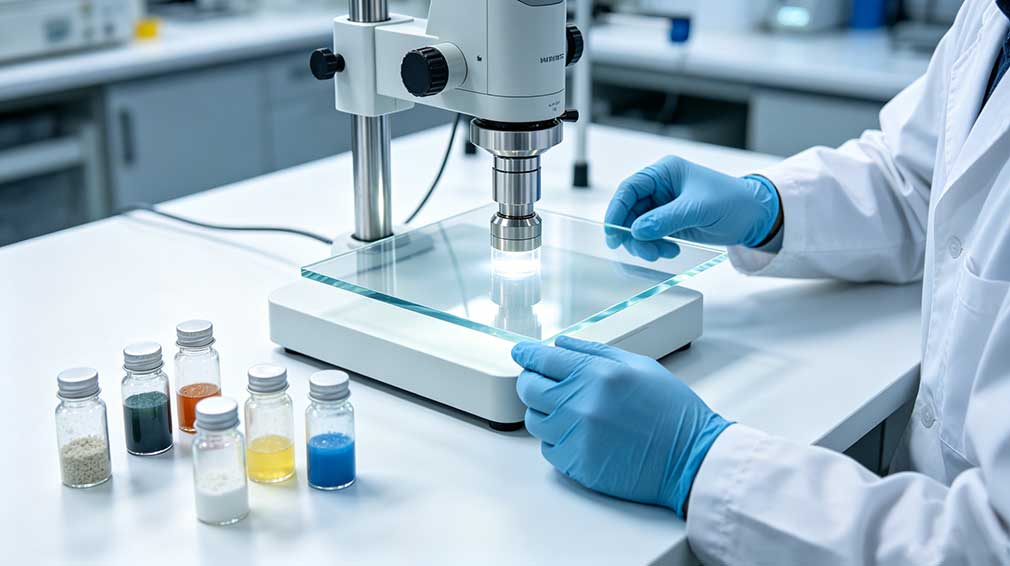
Southeast Asia’s tropical climate, characterized by intense ultraviolet (UV) radiation, high humidity, frequent rainfall, and fluctuating temperatures, creates a challenging environment for materials used in outdoor applications. Acrylic sheets, valued for their transparency, durability, and versatility, are particularly susceptible to aging and degradation under these harsh conditions. To address this, acrylic manufacturers formulate acrylic sheets with specific anti-aging additives. This article explores the question: What anti-aging additives are added to acrylic sheets for Southeast Asian climate?
Before delving into the specific anti-aging additives, it’s essential to understand the primary factors that contribute to the aging of acrylic sheets in Southeast Asia:
Southeast Asia is located near the equator, resulting in high levels of UV radiation throughout the year. UV radiation is the most significant cause of aging in acrylic sheets, as it breaks down the polymer chains through a process called photo-oxidation. This leads to yellowing, loss of transparency, surface cracking, and brittleness.
High humidity levels in Southeast Asia can exacerbate the effects of UV radiation. Moisture can penetrate the acrylic material, weakening the polymer chains and making them more susceptible to damage from UV radiation. Additionally, high humidity can promote the growth of mold and mildew, which can cause staining and further degradation.
While Southeast Asia experiences relatively consistent temperatures, daily fluctuations and sudden changes due to weather patterns can cause acrylic sheets to expand and contract. Over time, this can lead to stress cracking, warping, and other forms of mechanical damage.
Acrylic sheets used in outdoor applications may be exposed to various chemicals, including pollutants from the air, cleaning agents, and pesticides. These chemicals can react with the acrylic material, causing discoloration, surface erosion, and accelerated aging.
To combat the aging process and ensure the long-term durability of acrylic sheets in Southeast Asia’s harsh climate, acrylic manufacturers incorporate several key anti-aging additives into the acrylic material:
UV stabilizers are the most critical anti-aging additives for acrylic sheets in Southeast Asia. They are specifically designed to protect the acrylic material from the harmful effects of UV radiation. There are two main types of UV stabilizers used in acrylic sheets:
Antioxidants are another important type of anti-aging additive for acrylic sheets in Southeast Asia. They work by inhibiting the process of oxidation, which can be accelerated by heat, UV radiation, and high humidity. There are two main types of antioxidants used in acrylic sheets:
Heat stabilizers are added to acrylic sheets to protect them from the effects of heat, which can be significant in Southeast Asia’s tropical climate. They work by preventing or slowing down the thermal degradation of the acrylic material at high temperatures. Heat stabilizers can help to maintain the acrylic sheet’s mechanical properties, such as strength and flexibility, and prevent discoloration and surface degradation.
Given the high humidity levels in Southeast Asia, mold and mildew inhibitors are often added to acrylic sheets to prevent the growth of mold and mildew on the surface. These inhibitors work by creating an environment that is hostile to mold and mildew spores, preventing them from germinating and growing. This helps to maintain the acrylic sheet’s aesthetic appeal and prevent staining and degradation caused by mold and mildew.
When selecting acrylic sheets for outdoor applications in Southeast Asia, it’s important to consider the following factors to ensure that they contain effective anti-aging additives:
Choose acrylic sheets that are specifically labeled as “UV-stabilized” or “outdoor-grade.” These sheets have been formulated with UV stabilizers and other anti-aging additives to provide long-term protection against the harsh tropical climate.
Select acrylic sheets from a reputable acrylic manufacturer or wholesale acrylic distributor. Reputable manufacturers use high-quality raw materials and advanced manufacturing processes to produce acrylic sheets that meet strict quality standards and are specifically designed to withstand the harsh conditions of Southeast Asia.
Look for acrylic sheets that come with a product warranty. A warranty is a sign of the manufacturer’s confidence in the quality and durability of their product. It also provides you with peace of mind knowing that you are protected against defects and premature aging.
Consider the specific requirements of your application, such as the level of UV exposure, humidity, temperature fluctuations, and chemical exposure. Choose acrylic sheets with anti-aging additives that are specifically designed to address these requirements.
Request technical data sheets from the acrylic manufacturer or distributor. These data sheets provide detailed information about the acrylic sheet’s composition, including the type and concentration of anti-aging additives used. This can help you to make an informed decision and choose the right acrylic sheet for your application.
Acrylic sheets formulated with anti-aging additives are widely used in a variety of outdoor applications in Southeast Asia, including:
In conclusion, acrylic manufacturers add several key anti-aging additives to acrylic sheets to ensure their long-term durability in Southeast Asia’s harsh tropical climate. These additives include UV stabilizers (UV absorbers and HALS), antioxidants (primary and secondary), heat stabilizers, and mold and mildew inhibitors. Each type of additive addresses a specific aspect of the aging process, providing comprehensive protection against UV radiation, high humidity, temperature fluctuations, and chemical exposure.
When selecting acrylic sheets for outdoor applications in Southeast Asia, it’s important to choose UV-stabilized and outdoor-grade sheets from a reputable manufacturer, check for product warranties, consider the specific requirements of your application, and ask for technical data sheets. By doing so, you can ensure that you select acrylic sheets with effective anti-aging additives that will provide long-term durability and maintain their aesthetic appeal in the harsh tropical climate.
So, if you’re planning an outdoor project in Southeast Asia and need acrylic sheets that will withstand the test of time, look for sheets formulated with UV stabilizers, antioxidants, and other anti-aging additives. With their comprehensive protection against aging, these acrylic sheets are the perfect choice for all your outdoor needs.
