The Durability of Acrylic Sheets: Can They Withstand Malaysia’s Heat and Humidity?

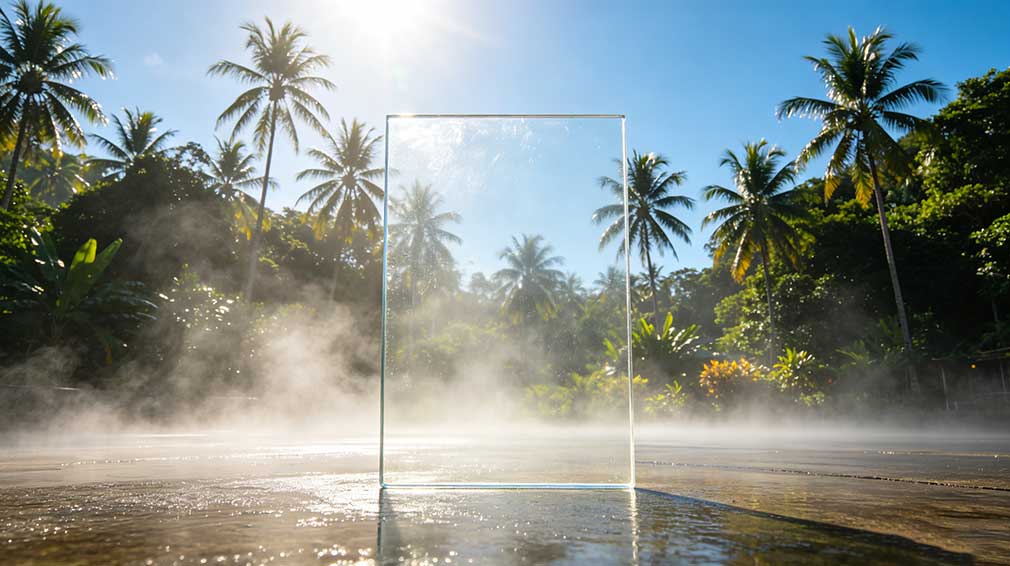
Malaysia’s tropical climate, characterized by year-round high temperatures (often exceeding 30°C) and humidity levels that can soar above 80%, poses a significant challenge for many construction and decorative materials. Among these, acrylic sheets (also known as PMMA or Plexiglas) have gained immense popularity for their versatility, clarity, and aesthetic appeal. But a critical question remains: Can acrylic sheets truly withstand the extreme heat and humidity of Malaysia?

The answer is a resounding yes, but with important caveats. The durability of acrylic sheets in such conditions depends heavily on the quality of the material, the presence of protective additives, and proper maintenance. This article will delve into the science behind acrylic’s durability, explore how it performs in Malaysia’s unique climate, and provide essential tips to ensure your acrylic sheets last for years to come.

1. Understanding Acrylic: A Material Built for Resilience

Acrylic is a lightweight, shatter-resistant thermoplastic polymer. Its inherent properties make it an excellent candidate for withstanding harsh environmental conditions:

  • Exceptional UV Resistance: High-quality acrylic sheets, especially those with a co-extruded UV protective layer, are formulated to block harmful ultraviolet (UV) rays. This is crucial in Malaysia, where the sun’s intensity is among the highest in the world. UV stabilizers prevent the polymer chains from breaking down, which would otherwise cause yellowing, brittleness, and a loss of clarity.
  • Outstanding Weatherability: Acrylic is highly resistant to water damage, corrosion, and fading. Unlike wood or metal, it does not rot, rust, or degrade when exposed to rain or high humidity. Its non-porous surface prevents moisture absorption, making it ideal for outdoor applications.
  • High Impact Resistance: Acrylic is much more impact-resistant than glass, making it less likely to crack or shatter due to accidental impacts, falling debris, or even severe weather conditions like tropical storms.
  • Dimensional Stability: Premium acrylic sheets maintain their shape and size well under fluctuating temperatures and humidity levels. While extreme heat can cause minor expansion, it will not warp or deform permanently if the sheet is of sufficient thickness and quality.

2. How Acrylic Sheets Perform in Malaysia’s Climate

In Malaysia’s specific conditions, acrylic sheets demonstrate remarkable durability, but their performance can vary based on the type and quality:

a. Heat Resistance

Acrylic sheets have a continuous service temperature range typically between -40°C and +80°C. This is more than sufficient to handle Malaysia’s ambient temperatures, which rarely exceed 35°C. Even on the hottest days, the temperature of an acrylic sheet exposed to direct sunlight will rise, but it will remain well within its operational limits. It will not melt or decompose under normal Malaysian weather.

b. Humidity Resistance

Humidity is generally not a problem for acrylic sheets. As mentioned earlier, their non-porous surface does not absorb moisture. This means they will not swell, warp, or develop mold or mildew, even in the damp, rain-soaked conditions of Malaysia’s monsoon seasons.

c. UV Resistance: The Key to Longevity

The primary threat to acrylic sheets in Malaysia is not heat or humidity, but the intense UV radiation. Standard, non-UV-stabilized acrylic sheets will yellow and degrade relatively quickly under the Malaysian sun. However, modern, UV-resistant acrylic sheets are specifically engineered to combat this. They can maintain their clarity and color stability for decades, even in the most sun-drenched locations.

d. Comparing Cast vs. Extruded Acrylic

  • Cast Acrylic: This is the superior choice for outdoor use in Malaysia. It is produced by a method that results in a denser, more uniform material with exceptional optical clarity, UV resistance, and overall durability. It is less prone to warping and discoloration.
  • Extruded Acrylic: While generally less expensive, extruded acrylic is slightly less durable and has marginally lower UV resistance than cast acrylic. It can be suitable for indoor or sheltered outdoor applications but is not ideal for prolonged, direct exposure to the sun in a tropical climate.

3. Real-World Applications: Acrylic in Action Across Malaysia

Acrylic sheets are extensively used throughout Malaysia in both indoor and outdoor settings, a testament to their durability:

  • Outdoor Signage: From vibrant shop signs to large billboards along highways, acrylic is the material of choice due to its clarity, colorfastness, and ability to withstand the elements.
  • Awnings and Canopies: Acrylic awnings are popular for providing shade while allowing light to pass through. They remain clear and functional for many years.
  • Pool Enclosures and Fencing: Acrylic panels are used for pool fencing and enclosures because they are transparent, strong, and resistant to water and chlorine damage.
  • Balustrades and Handrails: Modern acrylic balustrades offer a sleek, unobstructed view and are highly durable in outdoor environments.
  • Greenhouses and Skylights: Acrylic’s high light transmission and UV resistance make it perfect for greenhouses and skylights, allowing plants to thrive while protecting the material itself.

4. Maintenance Tips to Maximize the Lifespan of Acrylic Sheets in Malaysia

To ensure your acrylic sheets remain in pristine condition, follow these maintenance tips:

  • Clean Regularly: Dust, dirt, and pollutants can accumulate on the surface. Clean gently with a soft, lint-free microfiber cloth and a mild soap solution or a specialized acrylic cleaner.
  • Avoid Harsh Chemicals: Never use abrasive cleaners, solvents (like acetone or paint thinner), or glass cleaners containing ammonia. These can scratch or damage the acrylic’s surface and its UV protective layer.
  • Polish Scratches: Minor scratches can be buffed out using a specialized acrylic polish and a clean cloth, restoring the sheet’s clarity.
  • Provide Adequate Support: Ensure large acrylic sheets are properly supported to prevent sagging or bending over time, especially in high temperatures.
  • Inspect Periodically: Check your acrylic sheets for any signs of damage, discoloration, or loose fittings, and address issues promptly.

5. Conclusion

In conclusion, high-quality, UV-resistant acrylic sheets are more than capable of withstanding Malaysia’s heat and humidity. Their inherent durability, combined with modern UV stabilization technology, makes them an excellent and cost-effective choice for a wide range of indoor and outdoor applications.

By selecting the right type of acrylic (preferably cast acrylic with enhanced UV protection) and following a simple maintenance routine, you can enjoy the beauty, clarity, and functionality of acrylic sheets for many years, even in the challenging conditions of Malaysia’s tropical climate.

So, if you’re planning a project and wondering whether acrylic is the right material, rest assured that in Malaysia, acrylic is not just a good choice—it’s a durable and reliable one.

Leave a Reply

Your email address will not be published. Required fields are marked *